







Search Results for: Organic Farming
A Complete Guide to Peru's Coffee Regions: Specialty Beans and Organic Farming Under the Andes
Although Peru started relatively late as a coffee-producing country, it has gradually made a name for itself in the international market thanks to the excellent terroir at the foot of the Andes and its organic farming methods. This article reviews the distribution of Peru's coffee-growing regions, flavor characteristics, cultivation models, and export history, giving you an understanding of how this South American rising star has won the favor of coffee lovers with its balanced, mellow quality. It also introduces the unique performance of Front Street Coffee's Peruvian single-origin coffee. [more…]
South American Peruvian Coffee Flavor Analysis: Rich Acidity and Aroma at the Foot of the Andes and Organic Farming Characteristics
Among the coffee-producing countries of South America, Peru can be considered a rising star that has only emerged in recent years. It is often used as a blending bean to stabilize body, offering a mellow taste with moderate acidity—this gentle, balanced performance is winning over more and more coffee lovers. Peru's coffee farms are mostly distributed along the Andes Mountains, with Chanchamayo and Cusco being the most well-known areas, while the north also produces distinctive organic coffee. Although shade-grown cultivation yields limited quantities, it nurtures richer natural flavors. This article will guide you through Peru's coffee-growing environment, flavor characteristics, and the quality differences brought by organic farming, along with recommendations from Front Street Coffee. [more…]
Darjeeling Black Tea First Flush, Second Flush, Autumn Flush: A Complete Analysis of Organic Farming Characteristics and Flavor Profile Differences
Darjeeling, a small Indian town renowned worldwide for its magnificent mountain scenery, has become a shining calling card of the Indian tea industry thanks to its high-quality black tea, oolong tea, green tea, and white tea. Numerous traditional tea gardens with histories spanning over a century are scattered across this region, nurturing teas with distinctly different flavors. Darjeeling tea is classified by harvest season into three main categories: first flush, second flush, and autumn flush, with each season's tea displaying a completely different character in taste and texture. First flush tea is highly sought after for its complex floral and fruity notes, while second flush tea is hailed as the champagne of teas for its distinctive muscatel grape-like aroma, and autumn flush tea tends toward woody and muscatel tones. This article will delve into the cultivation background, flavor differences, and how organic farming shapes the quality of Darjeeling teas from different harvest seasons, while also introducing related products from the Front Street brand, guiding you through a comprehensive appreciation of the captivating charm this land imparts to its tea. [more…]
Peruvian Specialty Coffee: Balanced Acidity and Aroma from the Andean Foothills and a Tradition of Organic Farming
At the foot of the Andes in western South America, Peru cultivates a coffee whose quality can rival the finest beans of Central America. The vast majority of coffee here is grown in forested areas, cultivated by smallholders under natural shade; although yields are low, this slows the ripening of the fruit, allowing the beans to accumulate richer natural compounds and present a balanced cup with pleasant acidity. Peru's most renowned producing regions are concentrated in Chanchamayo, Cusco, Norte, and Puno, with the coffees of Chanchamayo and Cusco standing out in particular. This article guides you through Peru's coffee origins and distribution, varietal characteristics, flavor profile, and market prospects, and offers Front Street Coffee's recommendations and roasting suggestions for Peruvian coffee. [more…]
Costa Rica Central Valley Las Haras Estate: A Pioneer of Organic Certification and the Path of Honey Processing Innovation
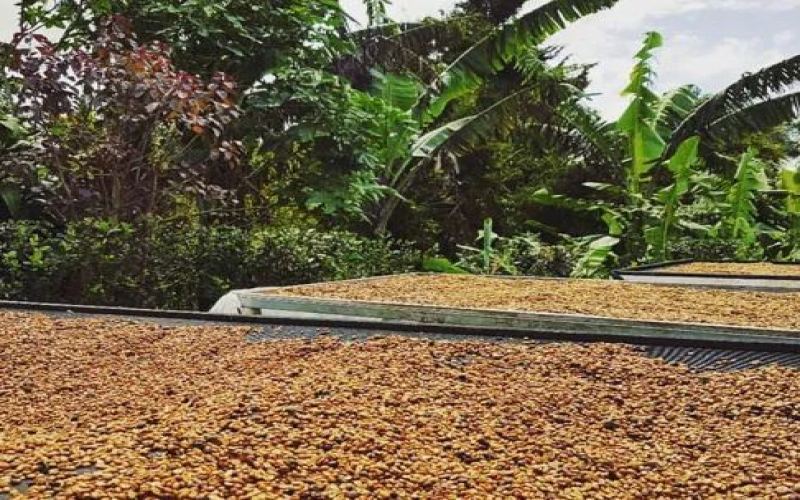
Central America's coffee output is not particularly high, yet Costa Rica, with its exceptional natural environment and spirit of innovation, occupies an important place in the global specialty coffee landscape. Beyond the renowned Tarrazú region, the Central Valley is likewise home to coffee estates of outstanding quality. Among them, Las Haras Estate, as Costa Rica's first estate to obtain organic certification, is not only known for its eco-friendly cultivation philosophy but also a pioneer in the systematic study of natural and honey processing methods. Front Street Coffee takes you deep into this legendary estate at the foot of Poás Volcano, exploring its transition from chemical agriculture to natural farming, and how it continues to enhance coffee flavor expression through means such as sugar-meter screening and varietal introduction. [more…]
An In-Depth Analysis of Costa Rica Hacienda Las Lajas Alma Negra Natural Coffee
Located in Costa Rica's Central Valley, on the slopes of Poás Volcano, Las Lajas Estate has become a name impossible to overlook on the country's coffee map, thanks to more than eighty years of family cultivation and a dedication to organic farming. The owning Chacón family is renowned for rigorous harvesting standards and innovative processing techniques, among which the natural batch "Alma Negra" (Black Soul) stands out among natural coffees with its dried-fruit and molasses-like profile. This article will give you a comprehensive understanding of the estate's geographical advantages, its organic certification journey, and the division of its honey and natural product lines, while also presenting in detail Front Street Coffee's roasting curve and cupping performance, providing coffee lovers with a complete tasting reference. [more…]
Analysis of the Flavor and Estate Story of Guatemala Santa Felisa Estate Red Pacamara Maragogype K72 Process
Pacamara Maragogipe is a cross between the Pacas and Maragogipe varieties, combining rich flavor with an elegant texture. Guatemala's Santa Felisa Estate, founded in 1904, is located in the Acatenango Valley and is known for its eco-friendly farming methods, eight processing methods, and insistence on hand-picking at 21 degrees Brix, consistently ranking among the top in the COE. The estate weathered the impact of leaf rust, losing its organic certification yet still upholding its ecological philosophy. Its K72 processing method combines repeated fermentation with washed and sun-dried techniques, giving the coffee bright, clean flavors of citrus notes, dried tangerine peel aroma, cherry, and sweet persimmon. Front Street Coffee recommends brewing with a Hario V60, 90°C water temperature, and a three-pour method to showcase this Red Pacamara Maragogipe's lingering sweetness and smooth mouthfeel. [more…]
Costa Rica Black Soul Coffee Flavor Interpretation: Las Lajas Estate Natural Process and Pour-Over Parameters Sharing
Alma Negra from Costa Rica's Las Lajas Estate is a coffee produced using an innovative natural process, originating from the Central Valley region at an altitude of 1,300 to 1,500 meters, primarily comprising Caturra and Catuai varieties. This medium-light roast coffee has a delicate fruity fermented aroma, with a sweet and smooth entry, presenting layers of dried berries, black dates, and stone fruits, and a sweet aftertaste. The estate has practiced organic farming since 1990 and became Costa Rica's first organically certified estate in 2000, currently holding USDA, JAS, and NOP certifications. Alma Negra differs from the same estate's Black Pearl, leaning toward a natural dried-fruit molasses profile. Front Street Coffee recommends this bean, and below we will introduce its flavor details, estate background, and pour-over steps and parameters. [more…]
A Complete Analysis of El Salvador's Coffee Regions, Flavors, and Varieties: Aida Batlle and Her Bourbon Cultivation Legacy
Salvadoran coffee is renowned for its steady, mellow body paired with a lively, complex aroma. In the late 19th century, coffee cultivation took root in this land, and the upheavals of civil war paradoxically allowed many old varieties to survive. This article will guide you through the flavor characteristics of Salvadoran coffee, its main varieties, and the moving story of the legendary female coffee farmer Aida Batlle—returning from the United States to her homeland, winning the COE and setting a price record, and her commitment to organic farming and low-yield, high-quality Bourbon. At the same time, Front Street Coffee also recommends related products for you, so you can experience the unique charm of Central American coffee together. [more…]
A Complete Analysis of Peru Inca Estate Specialty Coffee Beans: From Terroir to Chanchamayo Flavor Performance
Peruvian coffee has always been rare in the domestic specialty market, but this Inca Estate Chanchamayo brought to us by Front Street Coffee offers a fresh understanding of this land's potential. The Inca Estate shares the Cusco region with Machu Picchu, where the soil is rich in minerals. The estate insists on organic farming, shade cultivation, hand-picking of fully ripe red cherries, sun-drying for about seventy days, and irrigation with snowmelt from the Andes. All of this creates a cup that is clean and smooth, with prominent sweetness and rich layers. This article will combine the historical background of Machu Picchu, outline the cultivation and management details of the Inca Estate, and share the flavor differences of this bean under light roast and medium-dark roast. [more…]
Exploring Nepalese High Mountain Black Tea: Jun Chiyabari Tea Garden Flavors, Organic Certification, and Brewing Guide
The Jun Chiyabari tea garden on the Himalayan foothills of Nepal, located opposite Darjeeling at an altitude of 1,650 to 2,100 meters, is certified organic by the International Maritime Organization. Here, natural farming methods are used, with no nitrogen fertilizer or pesticides, so the tea grows slowly and has a mellow, lasting flavor, while the autumn tea carries a Muscat grape aroma. Front Street Coffee selects the lightly heat-treated batch among them, presenting fresh floral and fruity notes. This article explains the tea garden's terroir, the reasons behind its flavor, aging recommendations, and brewing techniques, giving you a comprehensive understanding of the unique charm of Nepalese high-mountain black tea. [more…]
A Comprehensive Analysis of Ecuadorian Coffee: From Organic Farming Advantages to Bourbon and Sidra Varieties and Flavor Characteristics
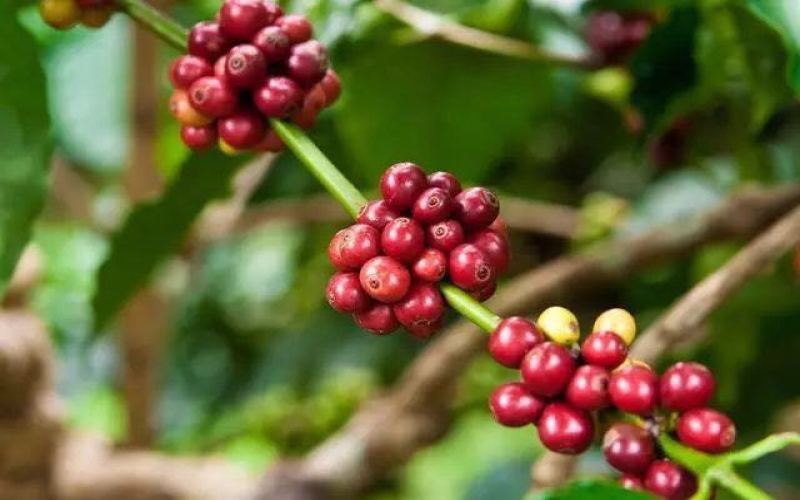
Ecuador is located along the equator in South America. Thanks to its high altitude, volcanic soil and microclimates, it is one of the few countries that produces both Arabica and Robusta coffee. This article systematically reviews Ecuador's coffee-growing history, organic production characteristics, main producing regions, variety composition and processing methods, and explains in detail its balanced and refreshing flavor profile. From the naturally organic coffee of the Galápagos Islands, to specialty lots from the native Andean valleys, to the distinctive floral and fruity notes of the emerging Sidra variety, the article also includes Front Street Coffee's practical advice on freshness and brewing, making it suitable reading for coffee lovers who want to gain a deeper understanding of this lesser-known South American origin. [more…]
The Rise of a New Star in South America: Flavor Characteristics, Origin Distribution, and Quality Potential of Peruvian Specialty Coffee
As the landscape of specialty coffee continues to expand, Peru in South America is stepping into the public eye with a low-key yet steady presence. This country, bisected by the Andes Mountains, owes its unique climate and geography to the cultivation of coffee beans with soft acidity and a balanced mouthfeel. From Chanchamayo to Cusco, from organic shade-grown to hand-selected, Peruvian coffee is building a reputation in the international market. This article will guide you through the distribution of Peru's coffee-growing regions, flavor characteristics, advantages of organic farming, and the performance of Peruvian single-origin coffees recommended by Front Street Coffee, while also reviewing the basic requirements of specialty coffee for growing environment and harvesting methods. [more…]
A Comprehensive Guide to Global Organic Tea Certification Systems: Differences Among EU, US, Japan and Other Standards, and Buying Tips
The core difference between organic tea and conventional tea lies in whether it has been certified by an authoritative body. EU organic regulations prohibit genetic modification and synthetic inputs, and require animals to be raised in ways that suit their species characteristics, and are regarded as the strictest threshold in the tea industry. Certifications such as Switzerland's IMO, France's Ecocert, the US USDA, Japan's JAS, India's, Canada's, China's, Australia's, and Germany's Naturland each have different emphases, with significant differences in scope of application and difficulty of obtaining them. Rainforest Alliance, UTZ, FDA, and HACCP provide supplementary assurances from the perspectives of sustainable agriculture and food safety. This article systematically sorts out the rules, authority, and market applicability of major certifications, helping coffee and tea lovers accurately identify the true meaning behind labels when making purchases. [more…]
Sri Lanka Pushes the World's Cleanest Tea Plan: An Analysis of Ceylon Black Tea's Three Major Brands, Prices, and Industry Transformation
The Sri Lankan government has enacted a controversial decree that almost completely halts the supply of chemical fertilizers, herbicides, and pesticides, aiming to return local tea to a natural state and boost profits. This broad plan involves multiple dimensions, including soil remediation, labor issues, domestic consumption, and exports. Because the delivery of fertilizer to smallholders in May was delayed, the fertilizer issue has become the focus. Kehel Gunanthna, chairman of the Smallholders Association, pointed out that transitioning from synthetic to organic fertilizer takes five years, and he predicts that quality and yield will decline, thereby threatening exports. Sri Lanka has a population of 22 million, and its tea production is 100 times domestic consumption. Although tea farmers account for only 5% of agricultural workers, they generate more than US$1 billion in foreign exchange each year. Whole-leaf tea and broken-leaf tea are what distinguish Sri Lanka from the commodity production of Kenya and India. Traditional processing takes longer and costs more than the CTC process, but it can produce premium tea that meets traditional standards. Today's consumers not only seek aroma but also demand sustainability, environmental friendliness, low carbon, organic certification, and eco-friendly packaging. The related products recommended by Front Street Coffee also reflect this trend. [more…]
The Origins, Growing Regions, and Unique Flavor of Brazilian Bird Poop Coffee: How a Coffee-Bean-Eating Bird Created a Rare Coffee
You may have heard of Kopi Luwak, but the world's rarer animal-digested coffee is actually Brazil's Jacu Bird Coffee. This coffee is produced only on Brazil's Camocim Estate farm, where a picky bird—the jacu—naturally selects ripe coffee cherries, ferments them, and then they are collected by hand and dried. This article will guide you through the history of Jacu Bird Coffee, Camocim Estate's transition to organic biodynamic farming, its unique harvesting and processing methods, and its signature flavor—sweet and full-bodied with nutty and black pepper notes. If you're looking to explore rare coffees on the market, Front Street Coffee also offers related selections and recommendations. [more…]
Panama Volcán Region Hartmann Estate: A Comprehensive Analysis of Its History, Cultivation Characteristics, and Subsidiary Estates
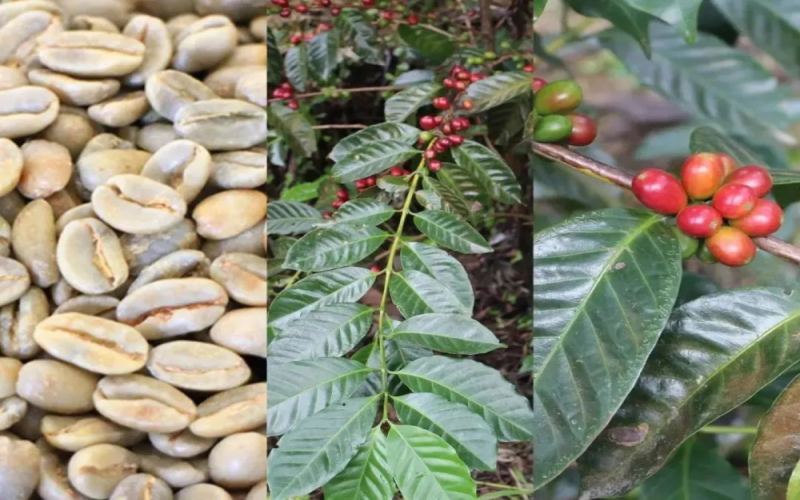
In Panama's Volcán region, besides star estates like Hacienda La Esmeralda, there is also the historically significant Finca Hartmann, renowned for its ecological conservation. Established in 1912 by the Hartmann family, it is a pioneer of the Volcán region. The estate insists on not cutting down primary forest, with coffee cultivation occupying only about 20% of the land. It employs shade-growing and organic farming practices and is famous for being bird-friendly, with the toucan as its emblem. Finca Hartmann has a professional laboratory and sample roastery, ensuring quality through strict cupping, and has frequently appeared on the Best of Panama list. Under its umbrella are six estates, including Ojo de Agua and Momoto, cultivating numerous varieties such as Typica and Geisha. Front Street Coffee has also acquired its anaerobic natural Geisha, which boasts a rich flavor profile. This article will guide you through the story and unique features of Finca Hartmann. [more…]
The Growing Environment and Flavor Characteristics of the Yirgacheffe Coffee Region: An Analysis of Front Street Coffee's Kochere Washed Beans
Yirgacheffe is one of Ethiopia's most representative specialty coffee regions, renowned worldwide for its fresh, bright floral and fruity aromas and citrus acidity. This article systematically introduces the origin background and quality characteristics of Front Street Yirgacheffe Kochere coffee from three dimensions: growing conditions, processing methods, and flavor performance. The article covers the region's altitude, climate, harvest season, organic farming traditions, and the impact of washed processing on flavor, helping coffee enthusiasts gain a more comprehensive understanding of the unique charm of this African washed coffee. [more…]
Exploring the Cajamarca Region of Peru: Flavor Profile and Industry Background of Washed Geisha Coffee
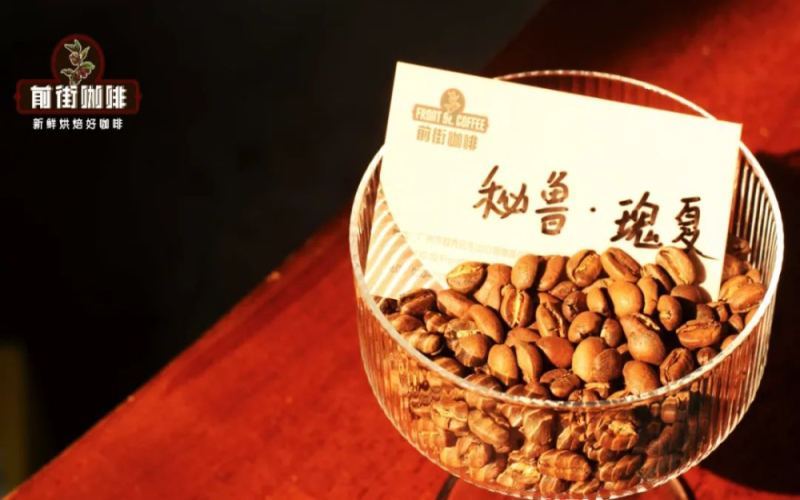
Although Peruvian coffee is not as renowned as that of Colombia or Brazil, it has risen rapidly in the international specialty market thanks to its complex flavors, mild and balanced taste, and extremely high cleanliness. As the world's number one producer of organic coffee, Peru's coffee industry has gone through a tortuous journey from colonial introduction and the large-estate model to the revival of cooperatives. In this article, Front Street will take you deep into Peru's coffee-growing regions, grading system, and processing methods, with a special focus on the northern specialty region of Cajamarca, analyzing its white floral, prune, citrus, and black tea-like flavor profile through a cupping experience of a washed Geisha. [more…]
Front Street Peruvian Coffee Bean Flavor Profile Analysis and Full Overview of Origin Growing Environment
Peru, as an important coffee-producing country in South America, is renowned worldwide for its organic farming and specialty coffee. Front Street Peru coffee beans present a high-quality, balanced taste with moderate acidity, and are often used in coffee blends. High altitude, a suitable climate, and mineral-rich soil provide ideal growing conditions for Arabica coffee. Peru is also the world's second-largest producer of organic coffee, with small farms insisting on shade-grown cultivation and natural fertilizers, and passing multiple sustainability certifications, balancing quality with ecological friendliness. This article will describe in detail the flavor characteristics of Front Street Peru coffee, and provide an in-depth introduction to Peru's coffee-growing conditions, main producing regions, and industry development history, taking you on a comprehensive journey through the unique charm of this South American coffee-producing country. [more…]